Insights from the Heart with…
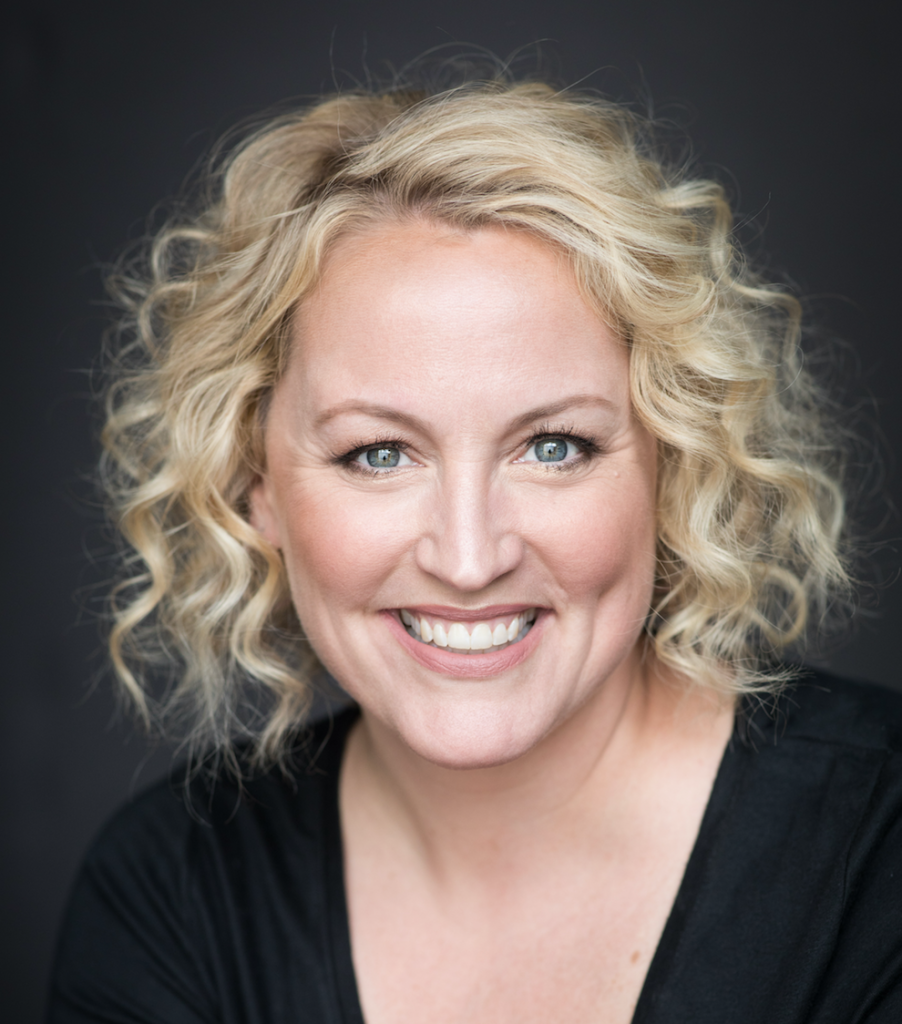
Leigh Ann Cannady, Enneagram Educator and Creative Consultant
Interview by Dr. Amy Kweskin
As a professor in the University of Oklahoma (OU) Online MA in Arts Management and Entrepreneurship degree program, I engage with established and emerging arts management professionals from across the US. We each bring a lifetime of expertise into the learning relationship. That’s why I love teaching in the OU program, because we are peers in the field who repeatedly learn from each other. Together we represent a vital cross-section of the national arts ecosystem.
In 2026 I had the opportunity to advise Leigh Ann Cannady while she completed her studies in the OU program. Each time we connected I was impressed by her entrepreneurial expertise and intrigued by her specialization in the Enneagram. The more I learned from her, the more I realized that this is a framework that can directly benefit the collaborative processes of creative teams, cross-functional leadership teams such as boards and staff, and artists.
What follows is a conversation I had with Leigh Ann via Zoom, September 23, 2026
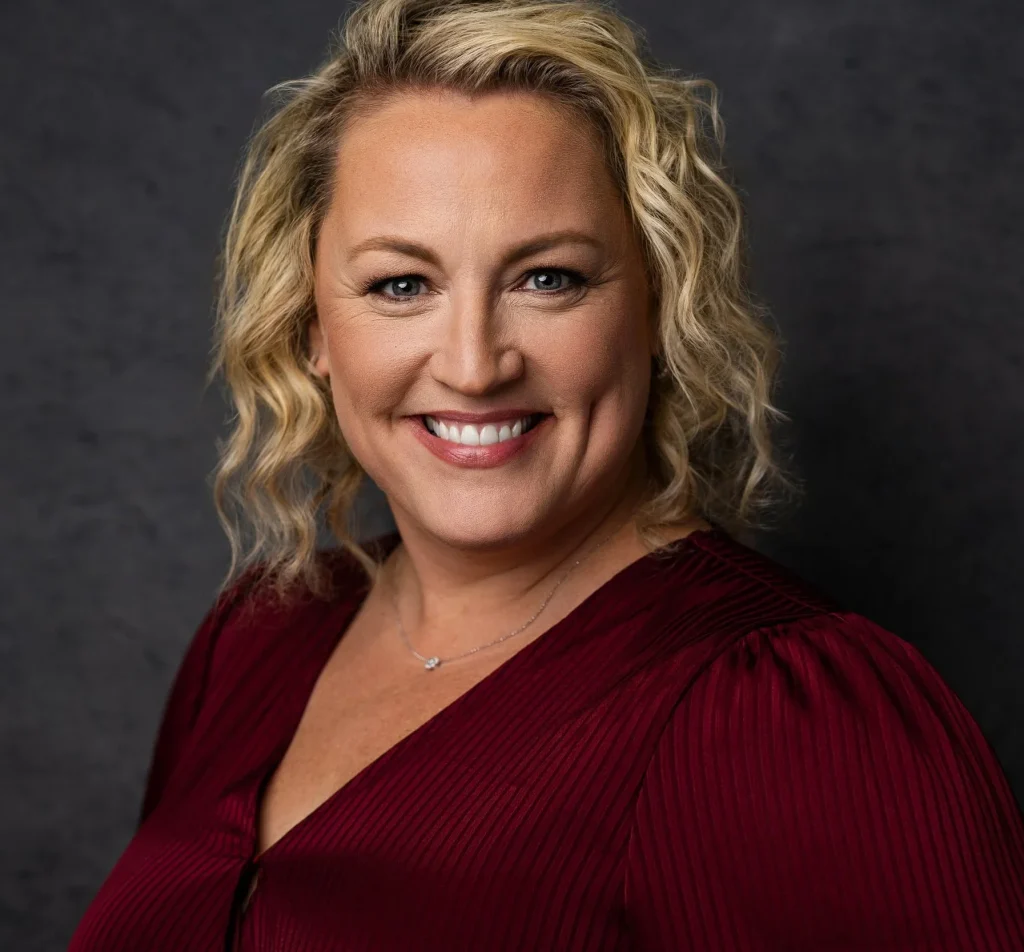
Photo (c) 2026 Patrick Marcigliano
Amy Kweskin (AK): When I was thinking about who I wanted to feature first in the Heartsightful blog, it was definitely you, because I’m so deeply interested in the work that you’re doing with the Enneagram.
Leigh Ann Cannady (LAC): Thank you. I appreciate that. I feel like sometimes I’m wandering in the desert, so it’s nice to have that reflected back.
AK: I know that feeling. Here’s my first question: describe what you’re working on right now that inspires you.
LAC: My first initial thought is that I am working on my Master’s degree. But the larger picture of what I’m working on right now is content around the Enneagram and teams. This is a framework I am calling Typecast. We can use this personality mapping tool to be able to communicate better with our arts teams, our boards and our key stakeholders.
This is a framework I am calling Typecast.
For me the Enneagram has brought to my life an understanding of the ways that we can inherently experience the world. My mentor says we can’t change the way we see the world. But we can change what we do with what we see. When we’re working with teams and we’re able to take these nuggets of information and say “this is how this person sees the world”, it gives us a lot more compassion, and I think it gives us a lot more tools for effectively communicating.
AK: I love that. So how did you get introduced to the Enneagram?
LAC: My best friend turned me on to it first. She said, “Have you heard about this tool?” And I said, no, I have no idea what you’re talking about. So she turned me on to an author and podcaster named Suzanne Stabile. I went headlong into her books and also her online content. And then I actually took two years worth of cohort training with her. For those two years I flew back and forth to Dallas from Atlanta to work with her in a small cohort of people. And it was just utterly transformative to be in a room with people who are interested in self-exploration in that way… it was especially magical.
Me knowing and understanding myself better gave me a lot of insight. That really keyed things off for me, and I started noticing how much it impacted the way that I was interacting with my team at work. Now I say to myself, okay, well, this is my intuition for making this decision, but let’s take a step back and see how much of my ego or personality or whatever is driving that as opposed to it really being the best decision for the organization.
AK: Who were the people in your cohort? Were they folks with similar interests?
LAC: The cohort members were literally all over the map. There were people who were in ministry positions, there were artists; some were really high achieving corporate folks with their own firms, others were working in Fortune 500 companies, and there were people who worked in nonprofit spaces. It was just such a cross section of humanity. We were all interested in this really niche thing. Together we developed interesting and special relationships.
When you’re working with people in a cohort, who are speaking this same language, it gives you so much insight. Everyone in the cohort fell into one of the nine numbers in the Enneagram tool based on the way that we each see the world. You can be healthy or unhealthy in your number. If you’re dealing with lots of other people who are a cross-section of those 9 numbers, who are all really interested in being healthy versions of their numbers, and can speak with a lot of authenticity about the way they see the world, then it opens you up to understanding how those numbers look among the rest of the world.
AK: And how are you hoping the Enneagram tool impacts teams that are in the arts?
LAC: I think artists and people who work in the arts are just primed for wanting to be self-aware. I think a lot of us that work in the arts, we also want results and productivity, but we also have a different bent to the way that we go about those things.
I see the Enneagram as being a tool, particularly in the arts, that can help people communicate well, whether they’re board members or artists themselves who welcome self-exploration and understanding. The arts are all about community and that’s a natural fit for this tool.
AK: As a leader, how do you organically incorporate the numbers into your daily operations or strategy sessions?
LAC: I have 17 people that work with me on our team , and we have a mix of people who have worked with the Enneagram. I’ve done it really organically and very voluntarily, as people have shown an interest. Most of the folks on my team are aware of their number, and so we can talk about teamwork in that context.
A lot of it is internally on my end, asking myself how do I communicate and how do I utilize people in their strongest spot? It’s important that people type themselves, that you don’t type other people. That’s a really core part of Enneagram wisdom because your type actually is revealing your motivations for how you act in the world as opposed to your behaviors. So there’s sort of a difference there. It’s important for people to do their own inner work to determine their numbers.
It’s important that people type themselves, that you don’t type other people.
I’ll give you an example. My right-hand person, who handles our operations, and whom I’ve known since she was my voice student in high school, knows that her number type has a need for clarifying questions. She is a worst case scenario planner. And all of those questions can feel frustrating for me when I just want to get something done and to move forward.
Because she and I both understand each other’s numbers, this has allowed me to understand her superpower, which is slowing me down and pointing out what might go wrong. Initially I was pushing ahead and now that I understand where she’s coming from and the way that she sees the world, she can slow me down and point out things that I would never have imagined we needed to consider. And by God, she’s right a lot of the time.
I have another person that works for me and her number is a seven and she knows she’s a seven. She’s an ideas person and she hates emails. She will almost never read my emails. She will glance at them, but she’s already on to the next thing. It’s not a failing of hers, it’s just how her brain works. And I just know with her, if I have something really important, I’m gonna send it to her in a text and not an email. And that’s a tiny example.
I have another team member who is a 1 on the Enneagram, and they are perfectionists and that’s the person that I call when I need a program proofed, because they are not gonna miss that Jennifer needed two N’s, or two F’s. They’re gonna catch it.
The truth is, when you get your ego out of the way, chances are there’s somebody on your team who probably can do it better than you’re doing it. Because I’ve got a million plates in the air I don’t want to be the one checking the names in the programs. I’m going to miss it. That’s not my style.
For those that do know their numbers, it also opens up a lot of conversations for us to have. For instance, my team member who’s a 7, who’s the ideas person, she and I can get in a room together, we just can riff and go back and forth, and some of the best ideas we’ve ever had at my business, they’re not mine. They’re just coming from our synergy of being able to riff. Now, the other team member, who asks a lot of questions, if she was in the room she would be interjecting statements such as “oh, but, but, but, we might” and so I go to her next. I’ll go to her and say, “Okay, help me find the pitfalls. Where are we gonna go sideways on this?” Because that’s her superpower. So a lot of it is from a leadership perspective.
AK: That’s really helpful. What motivational advice do you have for your younger self as you move forward and look back?
LAC: The first thing I think is you just don’t have any idea where you’re gonna end up. So hold loosely. I think about when I graduated from college and I was hot to trot with my Music Education degree and I immediately went to work in a school and I hated it. And it was really hard to come to grips with that because I had spent my whole life thinking this is my path, I’m gonna be a teacher. And as it turns out, I am. I’m always gonna be a teacher. That’s just inherent to who I am and how I live in the world. I don’t teach students anymore, I’m teaching my team, and I’m teaching other people’s teams. And so that educator piece has been a through line, but you just never really know.
Related Resources
Read more about Leigh Ann and the Enneagram on her website at leighanncannady.com.
Leigh Ann’s recommended reading for an introduction to the Enneagram is An Enneagram Journey to Self-Discovery by Ian Morgan Cron and Suzanne Stable.
Leigh Ann is recommended as a Coach and Consultant by Artsightful.